
So these stones shall be to the people of Israel a memorial forever.
Joshua 4:7
Except for a few individuals, most Israelites had only heard stories of how God had performed miracles in Egypt and divided the Red Sea. They had never witnessed the mighty hand of God at work. Thus, God wanted the miracle of crossing the Jordan River to be more than a story passed down from generation to generation. He wanted a visual reminder.
So, when the entire nation had finished passing over the Jordan, the Lord said to Joshua.
“Take twelve stones from here out of the midst of the Jordan, from the very place where the priests’ feet stood firmly, and bring them over with you …. that this may be a sign among you. When your children ask in time to come, What do those stones mean to you? then you shall tell them that the waters of the Jordan were cut off before the ark of the covenant of the Lord. When it passed over the Jordan, the waters of the Jordan were cut off. So these stones shall be to the people of Israel a memorial forever.” (Joshua 4:1-7)
The three objectives of a memorial of commemoration for the stones: a sign to promote encouragement and reverence, promote instruction to future generations, and a testimony to other nations. (1).
Creating memorials wasn’t something new for the Israelites, nor did the practice disappear for Christians.
Paul instructed the church in Corinth on Jesus’ instructions during the Last Supper.
“This is my body which is for you. Do this in remembrance of me. In the same way also he took the cup, after supper, saying, This cup is the new covenant in my blood. Do this, as often as you drink it, in remembrance of me. For as often as you eat this bread and drink the cup, you proclaim the Lord’s death until he comes.” (1 Corinthians 11:24-26).
As New Testament believers, we continue to commemorate or memorialize the work of Christ when we participate in communion. We also participate in Lent, Easter, and Christmas (1). They unite us as a body of believers and provide an opportunity to remember God’s miracles. There are individual times to reflect on and celebrate God’s work and blessings. Some believers have life verses, carry a special momentum, or save their first Bible to remind them of Jesus’ work in their life.
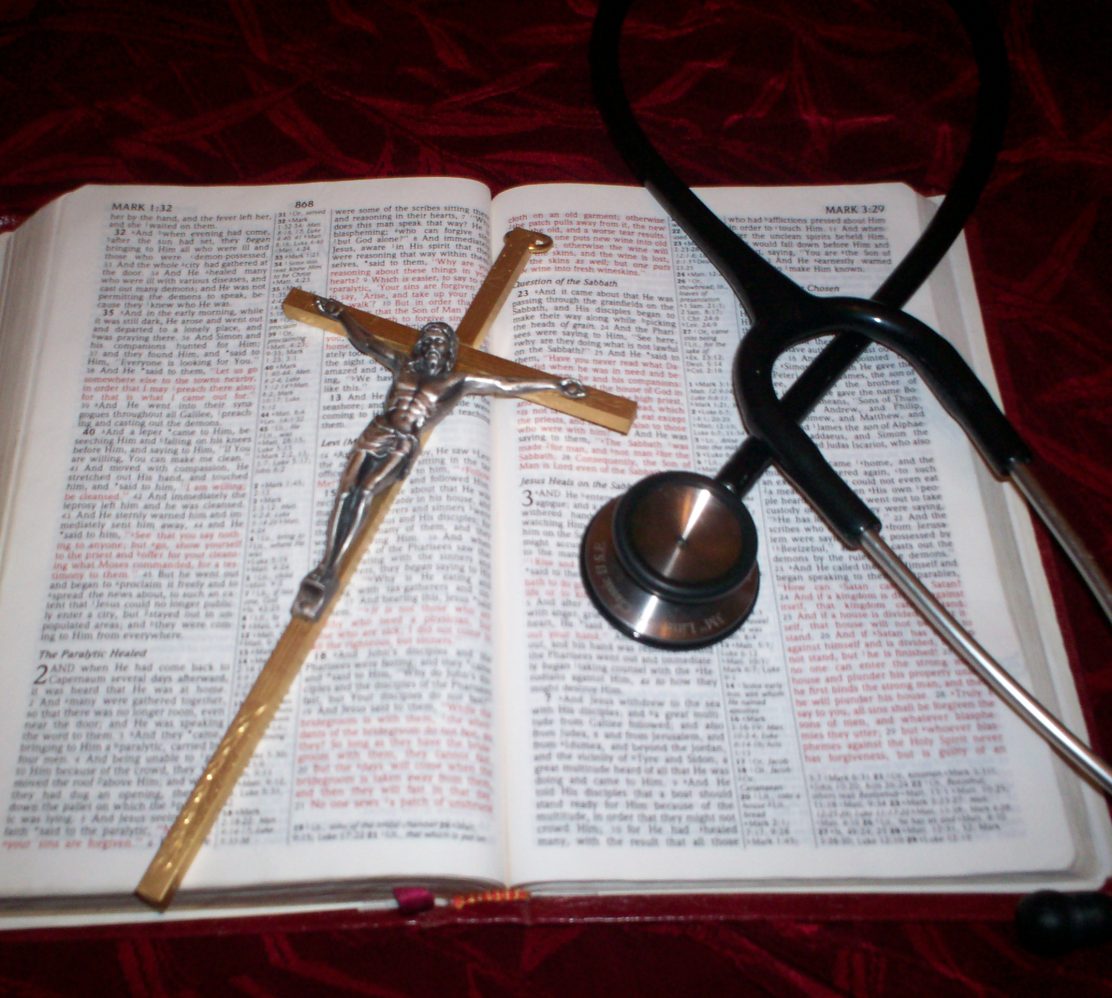
Commemorating or celebrating God’s work can also be recognized by an organization or personally. We need visual reminders of how the Lord has worked in our hospitals, schools, clinics, or ministries. Pictures can commemorate special times, like in academics, we have graduating class, or perhaps a group photo of the clinic/ministry staff. Or maybe some logos or symbols point to Jesus in your clinic. For example, at work, I wear a lanyard with my keys from my first NCFI Congress. The purpose is to find a visual reminder that speaks to the work of God in your organization. The hope is not only that we will remember those great moments but that we will find encouragement when we are experiencing difficulties.
Keathley III, J. Hampton, Studies in the Life of Joshua. 3. Crossing the Jordan (Joshua 3:1-4:24)
 Carrie Dameron